The ghost of Tom Clancy still walks the corridors of Ubisoft. He passed away in 2013, yet his name remains stamped across tactical shooters, stealth thrillers, and experimental battlefields like a promise whispered from beyond the grave. In 2026, that promise is complicated. Some games wearing the Clancy label moved like seasoned operators—quiet, precise, unforgettable. Others stumbled into the room with a Hollywood actor and a cracked blueprint, hoping the brand name would cover the noise. A patient third-party observer might call the whole catalog a museum of ambition: glass cases full of triumph, caution tape around the failures.
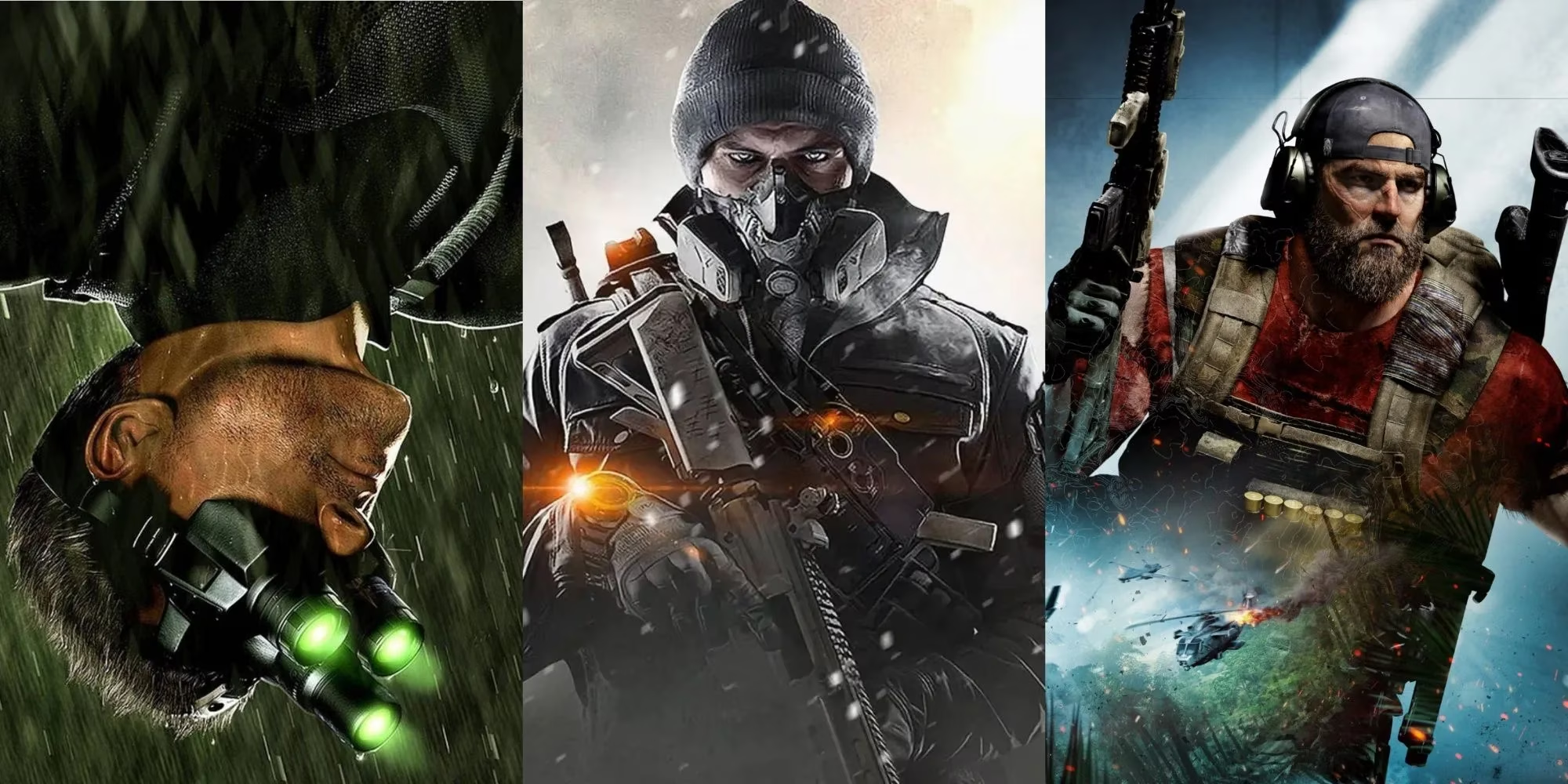
The Rainbow Six Bloodline: One-Shot Deaths and Alien Parasites
The original Rainbow Six did not ask for permission. It walked into the stealth-action genre and taught it to breathe through breach-and-clear tactics, punishing realism, and the terrifying possibility of a one-hit death. Counter-terrorism was not new, but Rainbow Six made it feel novel—almost surgical. That game became the spine of a franchise that still stands tall. Then came Rogue Spear, which added more story and character moments without overhauling the formula too early. It also pioneered add-on content before expansions became routine, bundling three expansions with a built-in organizer for user-created mods. In 2026, that feels quaint. In its time, it was a quiet revolution.
Lockdown arrived with mixed reviews. Its visuals and AI were not poor, exactly—they simply aged against 2005 competitors. Some players praised the storyline and characters; others felt the immersion slipped below its predecessors. Red Storm Entertainment handled PS2, PC, and GameCube versions, while Ubisoft Montreal built the Xbox version. The result was a matter of taste, a game that asked you to judge it personally rather than trust the crowd.
Vegas introduced health regeneration and third-person modes, breaking new ground and collecting bugs along the way. You know how it goes—one patch can turn a launch into a rescue mission. Still, Vegas deserves a closer look for trying to evolve a series that had already mastered its own tension. Rainbow Six: Extraction went further, much further, by adding aliens and parasites to the Clancy universe. Originally known as Rainbow Six: Quarantine before the COVID-19 pandemic, it focused on extraction and squad-based combat. Reviews were mixed, and it failed to truly succeed Siege, though it performed well commercially at launch. The experiment was strange, but it was not shy.
The Splinter Cell Shadow
Pandora Tomorrow is often forgotten, partly because it vanished from some digital storefronts for reasons unknown. Yet this second Splinter Cell entry built on the original's stealth-action system with a plausible threat: smallpox as a biological weapon, a terrorist faction, and a rogue CIA agent buried in the plot. It also introduced multiplayer to the series, while Game Boy Advance and mobile versions offered side-scrolling stealth. The game moved like a shadow through a locked house—quiet, deliberate, and easy to underestimate.
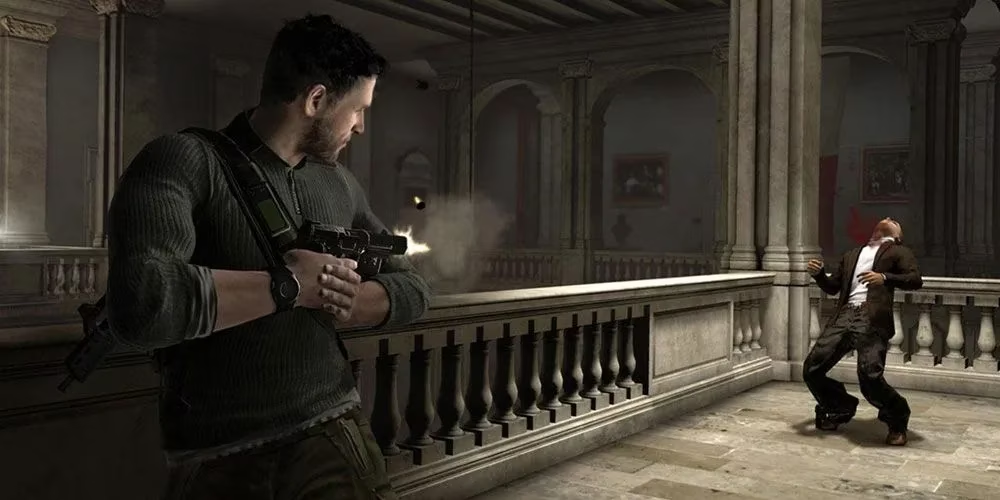
Conviction was a leap forward in 2010. It introduced faster, more fluid movement, the Mark & Execute system, and the last known position mechanic, where enemies hunted based on broken line of sight. That idea influenced games beyond the series, including Sniper Elite. Conviction also gave Sam Fisher a personal stake, mixing interpersonal drama with extraordinary events. It remains one of the series' best, a rare sequel that understood both its hero and its hooks.
The Experimental Branch: Endwar, The Division, and Breakpoint
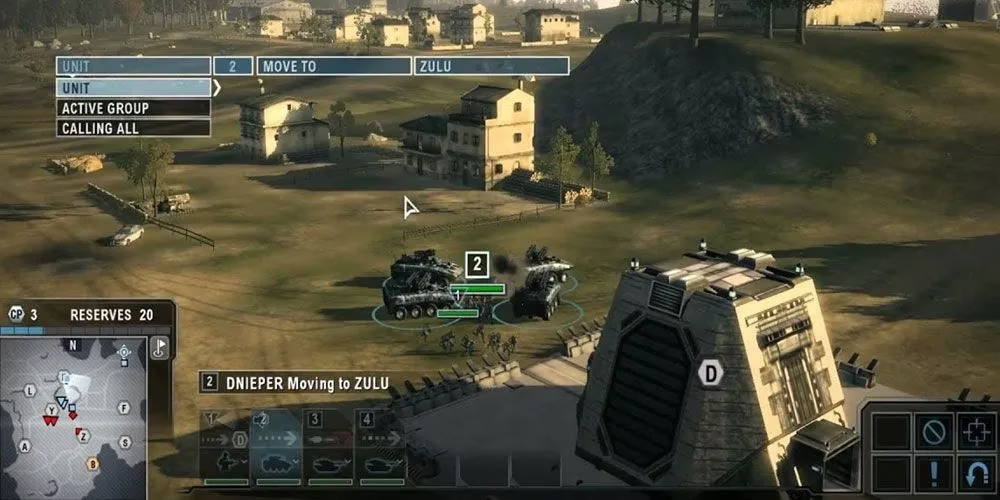
Endwar was one of the lesser-known Clancy titles, a real-time strategy game built on a possible real-world scenario: the aftermath of a nuclear attack on Saudi Arabia that reshapes military and political landscapes. Console versions used real-time tactics, handheld versions went turn-based, and the game allowed voice commands. It whispered orders into a microphone and hoped the room would listen. The RTS mechanics were challenging but compelling, especially with the Clancy name on the box. Unfortunately, it flopped, killing any chance for a sequel. Let's be real: not every experiment deserved a follow-up.
The Division set itself in a near-future New York devastated by a pandemic spread through dollar bills. It was one of Ubisoft's first attempts at a massive open-world game-as-a-service, blending classic Clancy tactical combat with squad emphasis, competitive play, and role-playing elements. It performed well enough to earn a sequel that many considered even better. The game understood the appeal of a city turned hostile, where every street corner carried a story and every stranger could be a threat.
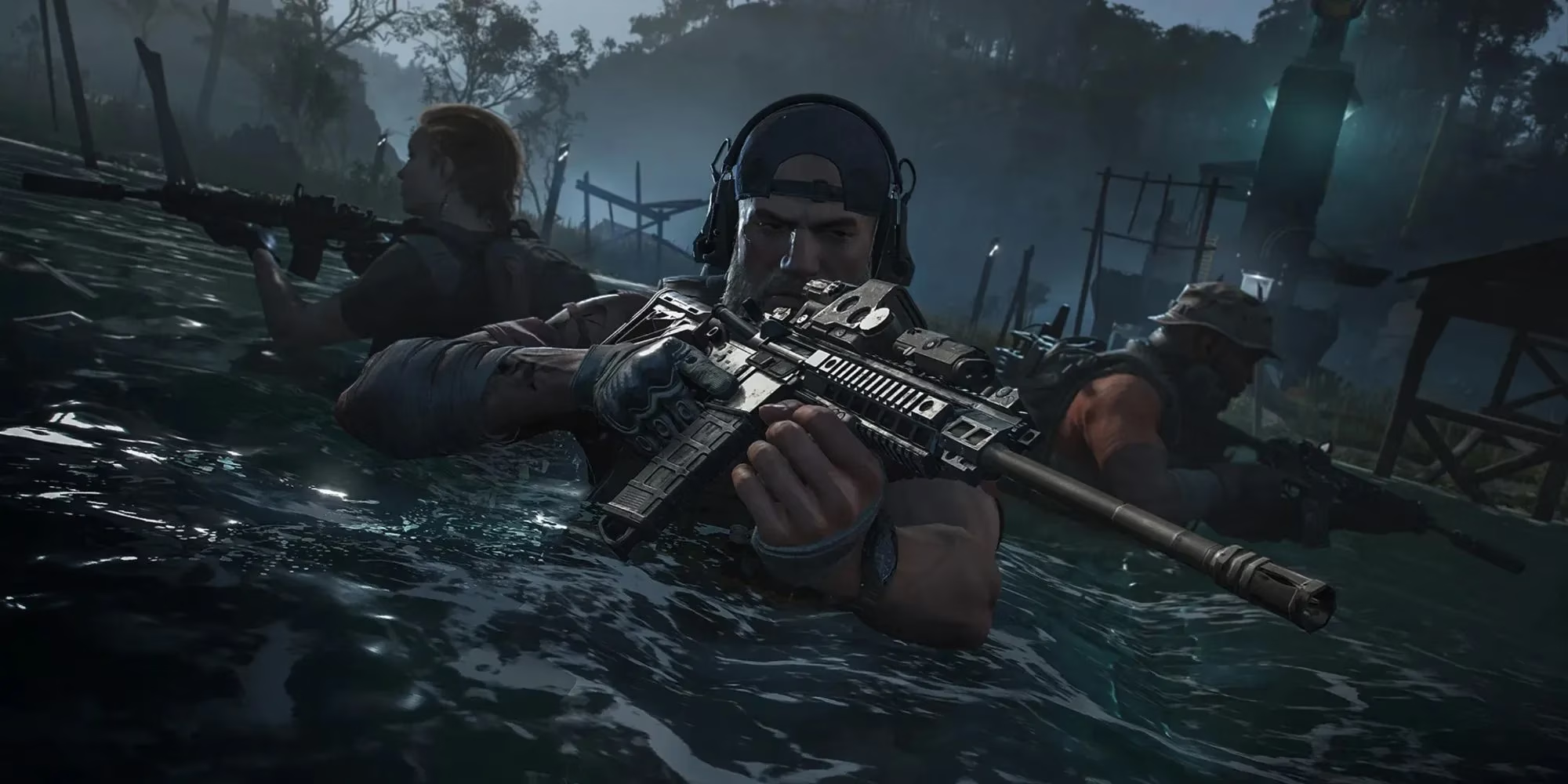
Ghost Recon Breakpoint followed Wildlands with more survival emphasis, a large open world, and tactically focused combat. It even cast Jon Bernthal as the primary antagonist. Honestly, that star power did little to rescue reception or sales. The mechanics were messy, the live-service elements were questionable, and its life as a service ended once NFTs entered the picture. Breakpoint is the cautionary tale in the archive: a game that had everything that made the first one good, yet lost its footing in the execution.
What the Archive Teaches
| Game | Signature move | How history judged it |
|---|---|---|
| Original Rainbow Six | One-shot lethality, breach tactics | Genre-shaping; still a blueprint |
| Rogue Spear | Story expansion and early add-ons | Quietly influential |
| Endwar | Voice-command RTS | Bold, flawed, sequel-less |
| The Division | Pandemic open world as a service | Commercially strong; sequel improved it |
| Breakpoint | Survival open world with a movie villain | Messy live-service warning |
In 2026, the Tom Clancy brand is still a continuously expanding one. Some titles are old, some are new, and some—like Endwar or Pandora Tomorrow—remain hidden gems that never got their due. The name on the box still carries weight, but it no longer guarantees a smooth operation. Players have learned to read the room, check the patch notes, and hope the ghost of Clancy is guiding the mission rather than haunting it.
That is the strange beauty of this archive. A tactical shooter can teach a genre to breathe. A stealth sequel can vanish and still be remembered. A live-service experiment can curdle fast. And somewhere in Ubisoft's vault, the next Clancy game is waiting, perhaps learning from the ones that stumbled...
For now, the third-party observer closes the archive with a shrug and a smile. The Clancy catalog is not a clean ranking; it is a story of swings, misses, and a few perfect shots. 🎯🕹️