I’ve been playing games long enough to notice when a character actually sticks with me. In 2026, I still find myself thinking about Charles Smith from Red Dead Redemption 2 and Connor from Assassin’s Creed III, not because they are perfect, but because they showed me how much depth an Indigenous protagonist can carry when writers treat culture as more than set dressing. Historically, Native American and Indigenous characters were reduced to hostile attackers or mystical guides, but the titles below push back against those old colonial habits in meaningful ways.
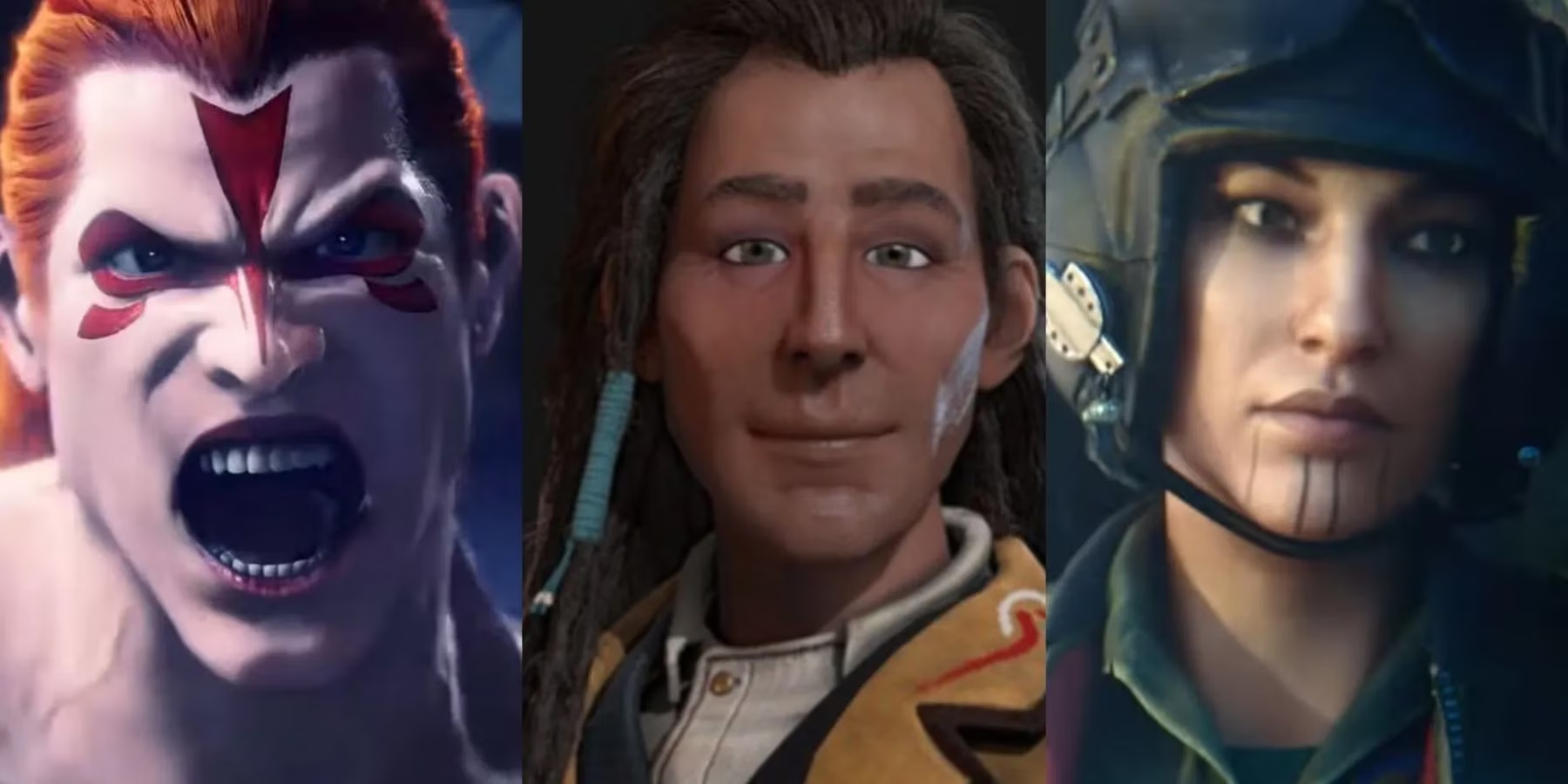
I am not saying the industry has solved representation. Even now, fighting games account for a large share of Indigenous fighters, and men still get more prominent roles than women. Still, the characters below have made an impact on the gaming community, and they deserve more than a passing mention.
The Outlaw and the Assassin
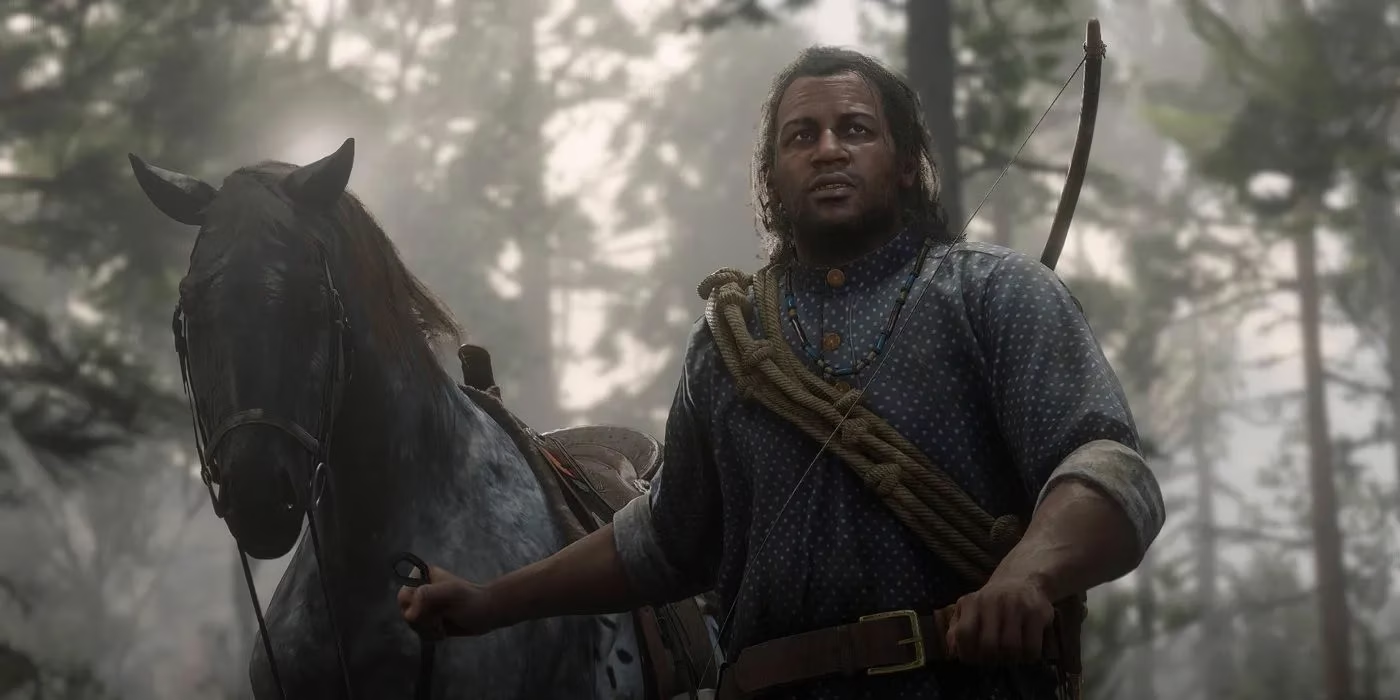
Red Dead Redemption 2 introduced Charles Smith as a new face in the Van Der Linde Gang, and he quickly became one of the most grounded characters in the story. Charles grew up with a Native American mother and an African American father during the westward expansion justified by Manifest Destiny, but he did not let that harsh background break him. He is an expert hunter and survivalist, and he becomes a genuine voice of reason as the gang falls apart. By the end, he is one of the few outlaws to side with Arthur Morgan, which made me respect him even more.
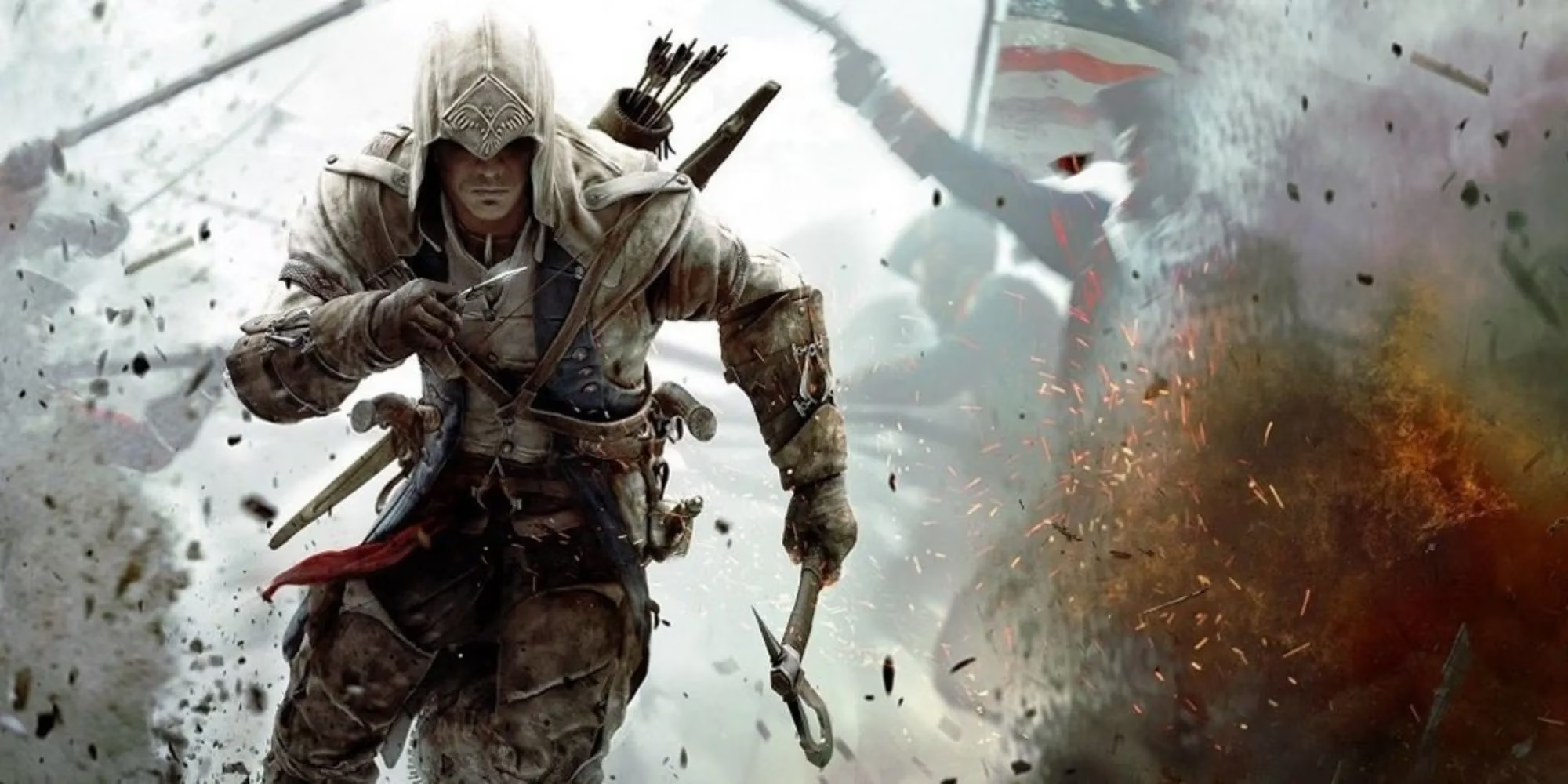
Assassin’s Creed III took an unusual route when it moved to the American Revolution. Instead of glorifying the colonists, it focused on how Indigenous people were caught in a morally ambiguous war that had nothing to do with them. The protagonist, Ratonhnhaké:ton, also known as Connor, works to defend his people from colonial oppression. As the son of Haytham Kenway and a Kanien’kehá:ka warrior named Ziio, Connor is divided between two worlds. That split identity gives players a perspective we rarely see in big-budget historical games.
Fighting Game Pioneers and a Wrestling Star
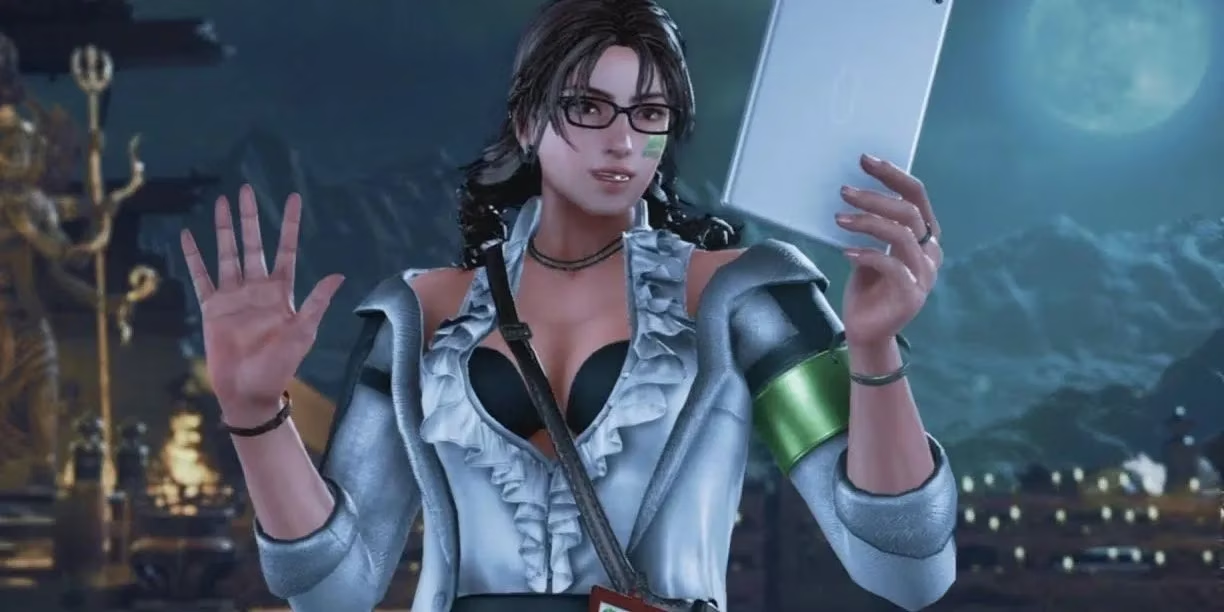
Indigenous characters appear often in fighting games, but they are mostly men. Julia Chang stands out because she is one of the rare Indigenous women in that space. She was found as a baby in the ruins of an unidentified tribe’s settlement and adopted by Michelle Chang, who is herself half-Indigenous. Julia has had a strange and varied career: archaeologist, conservationist, internet streamer, and highly skilled tournament fighter.
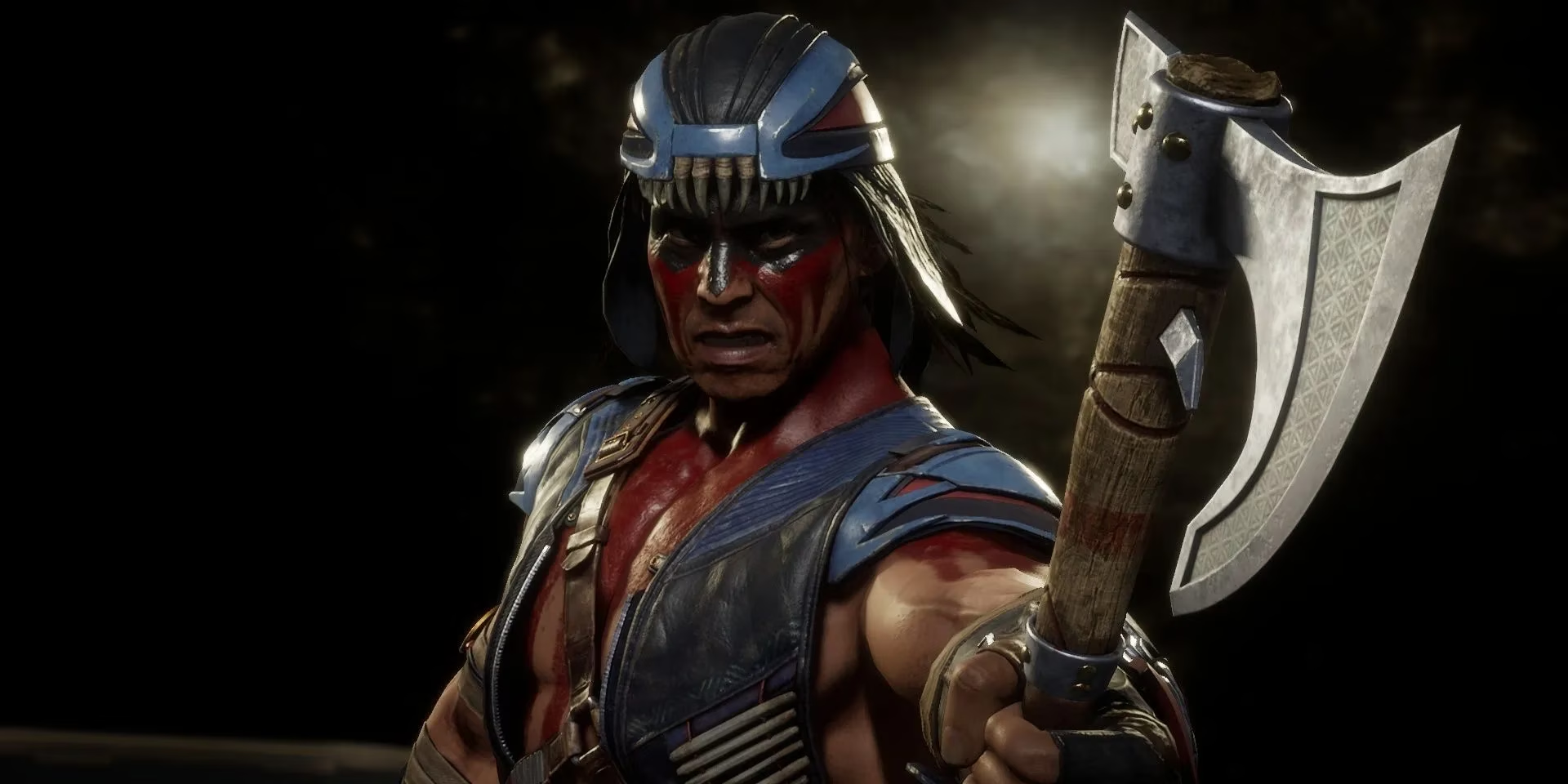
Nightwolf is probably the most iconic Indigenous character in fighting games. He has been part of Mortal Kombat since 1995 and is a martial artist and spirit warrior who helps stop several apocalypses. I enjoy him as a fan, but I also recognize that his early portrayals leaned heavily on Western stereotypes, especially the spiritual warrior trope. His modern incarnations have tried to move toward a more culturally sensitive version, which is a step in the right direction.
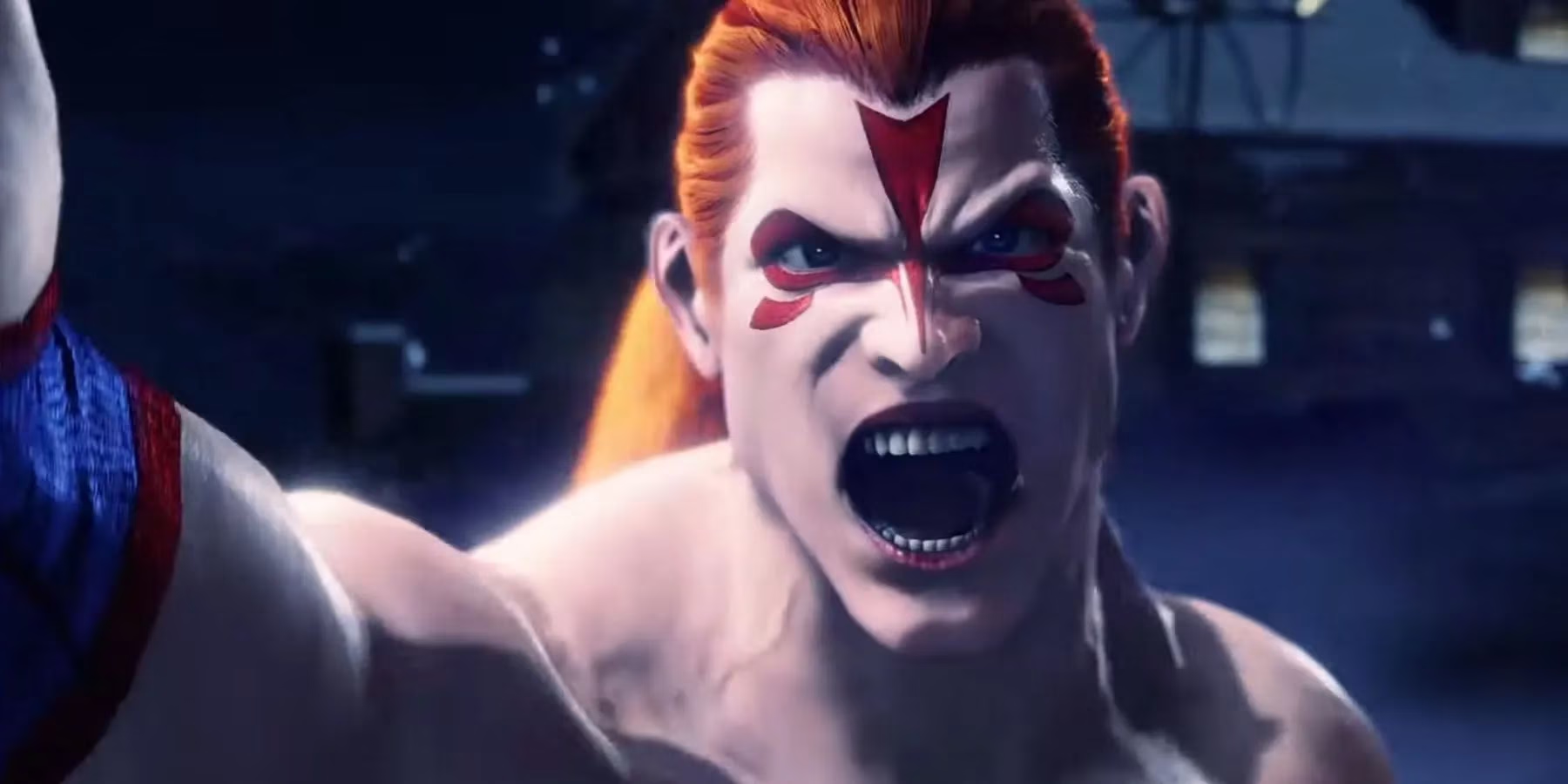
Wolf Hawkfield from Virtua Fighter is another interesting case. Originally from the Canadian Wilderness, he goes from hunter and woodsman to international wrestling sensation. What drives him is not fame but the search for a worthy opponent. He even retired from wrestling when he felt he had faced everyone, only to return when a new challenger appeared.
Real History in Strategy Games
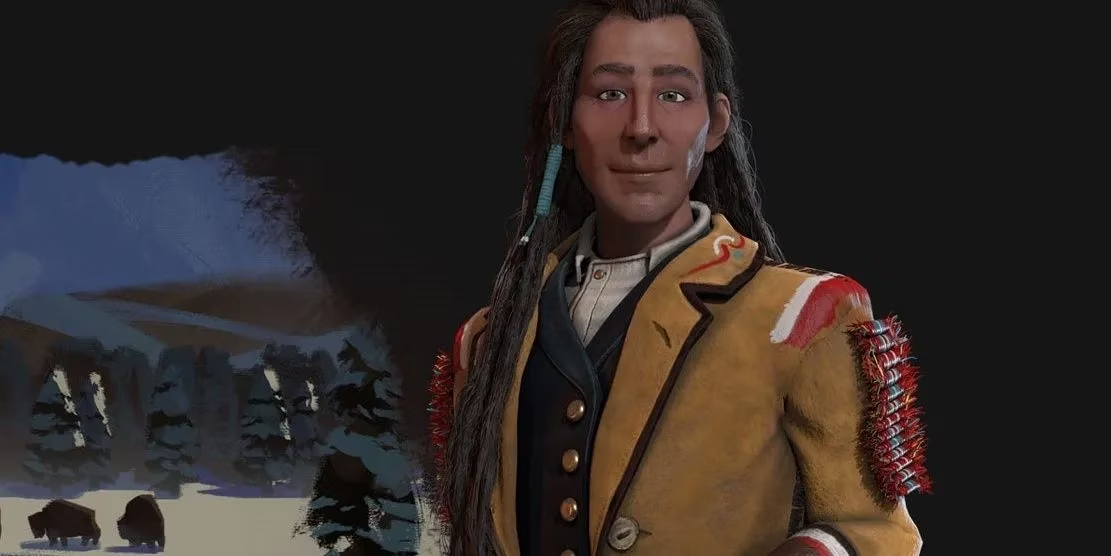
Civilization 6 made a strong choice by including the Cree and selecting Pîhtokahanapiwiyi, better known as Poundmaker, as their leader. He was a real Cree leader in the late 19th century who advocated for Indigenous rights while the Canadian government starved his people and encroached on their land. He was arrested for alleged treason and only exonerated in 2019. Seeing a real Cree hero lead a playable civilization gave me a reason to think about history beyond the usual textbook narrative.
Modern Protectors and Younger Heroes
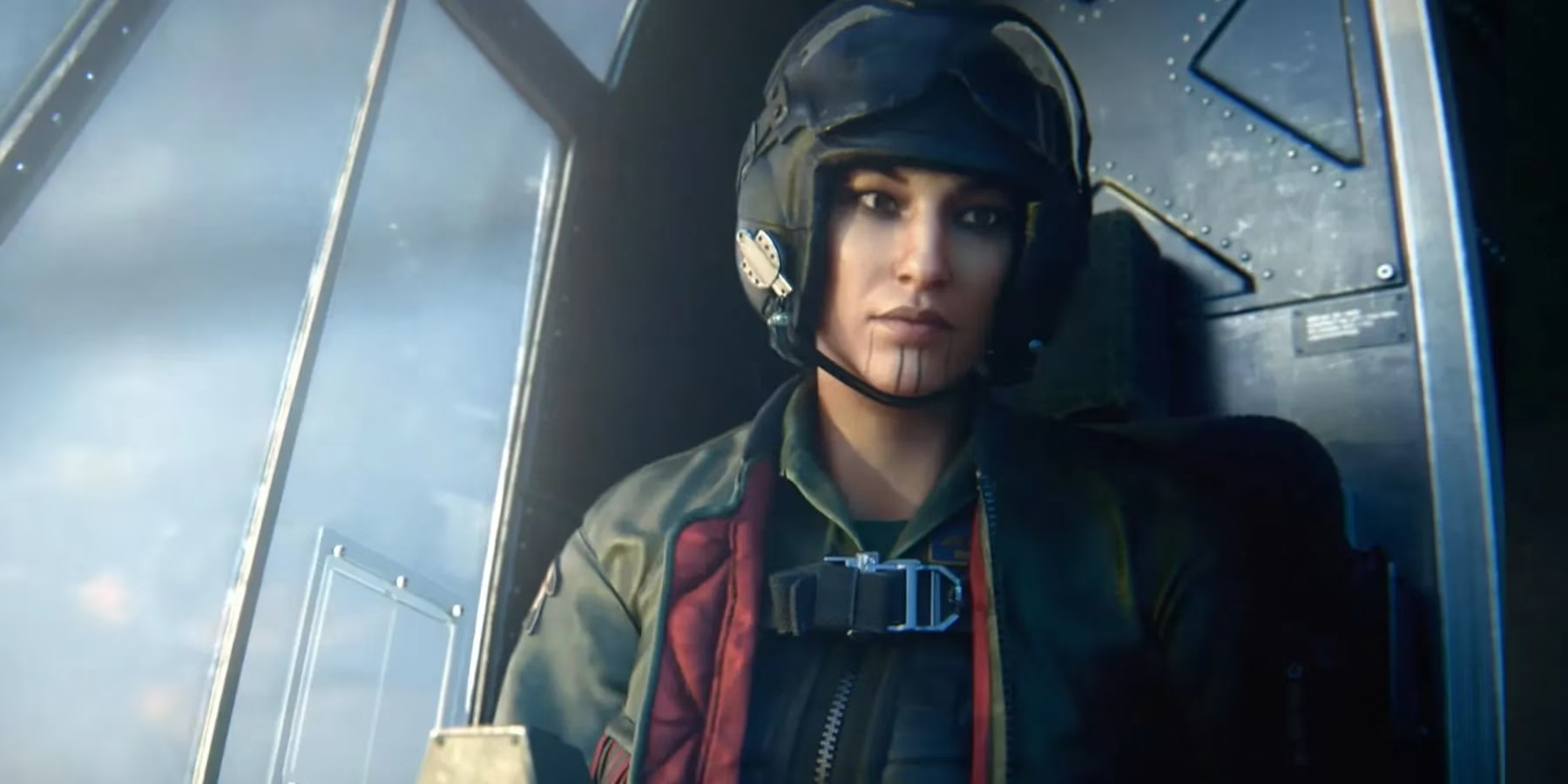
Rainbow Six Siege introduced Mina Sky, codenamed Thunderbird, as a Canadian Air Force pilot from the Nakota of Saskatchewan. She proudly wears the traditional facial tattoos of her people. Her codename comes from an old legend about a powerful bird that acts as a protector, which fits an operator who wants to guard both her Nakota and Rainbow Six families.
The 2006 shooter Prey deserves a mention too. Tommy Towaldi has the unusual ability to reach places spiritually that others cannot, and he uses that skill to evade death and outwit alien captors. At a time when Native American protagonists were extremely rare, his presence resonated with a lot of players.
 .jpg)
.jpg)
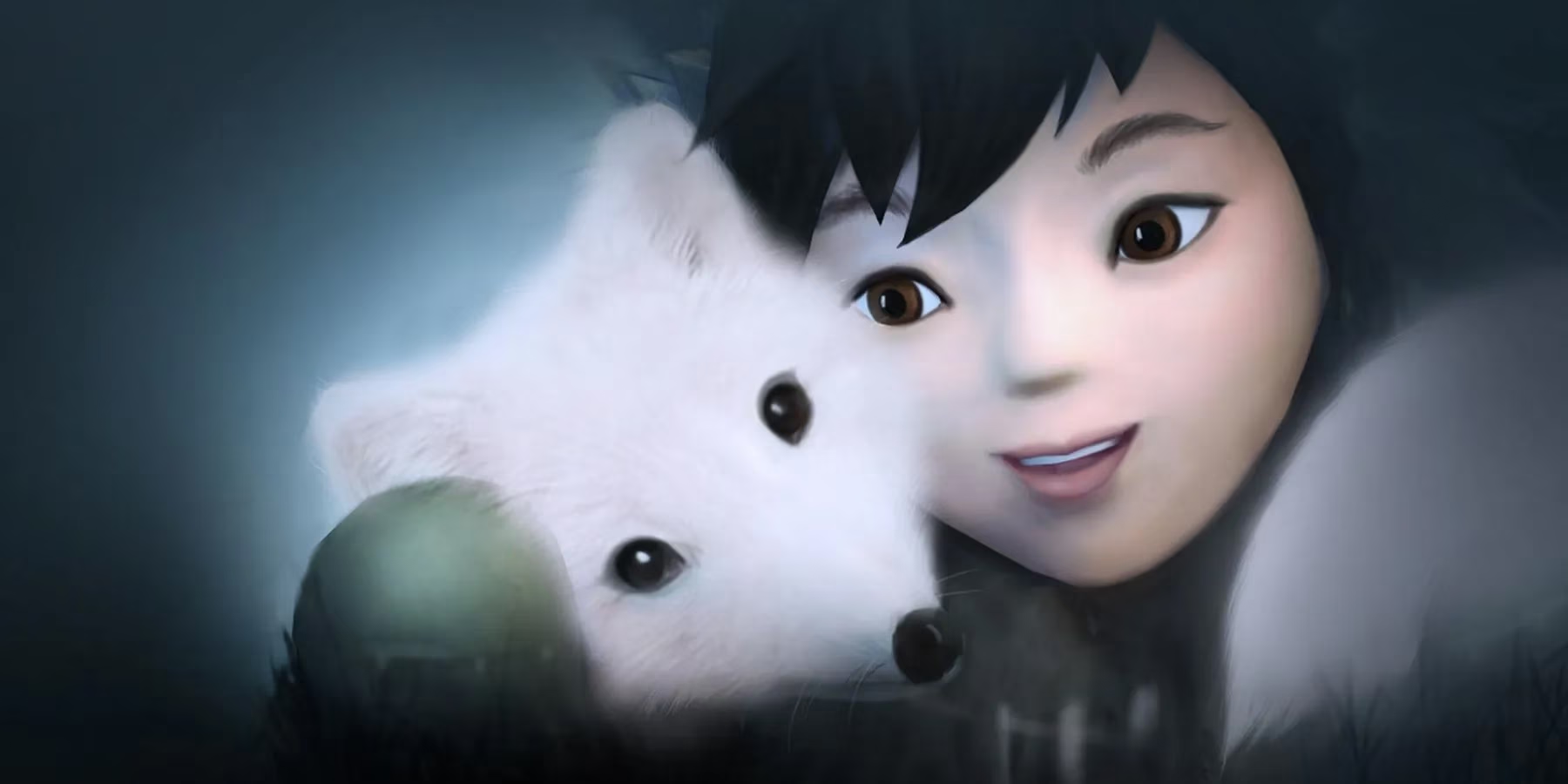
Never Alone takes a different approach by adapting a famous Inuit legend about a hero seeking an end to a perpetual winter. The hero is traditionally portrayed as a man, but the game gives the role to a young girl named Nuna, who faces harsh Arctic conditions with only a fox for company. Progression is tied to the telling of Inuit stories rather than skill points, which reinforces the idea of keeping cultural stories alive through youth.
Indie Games with Cultural Teeth
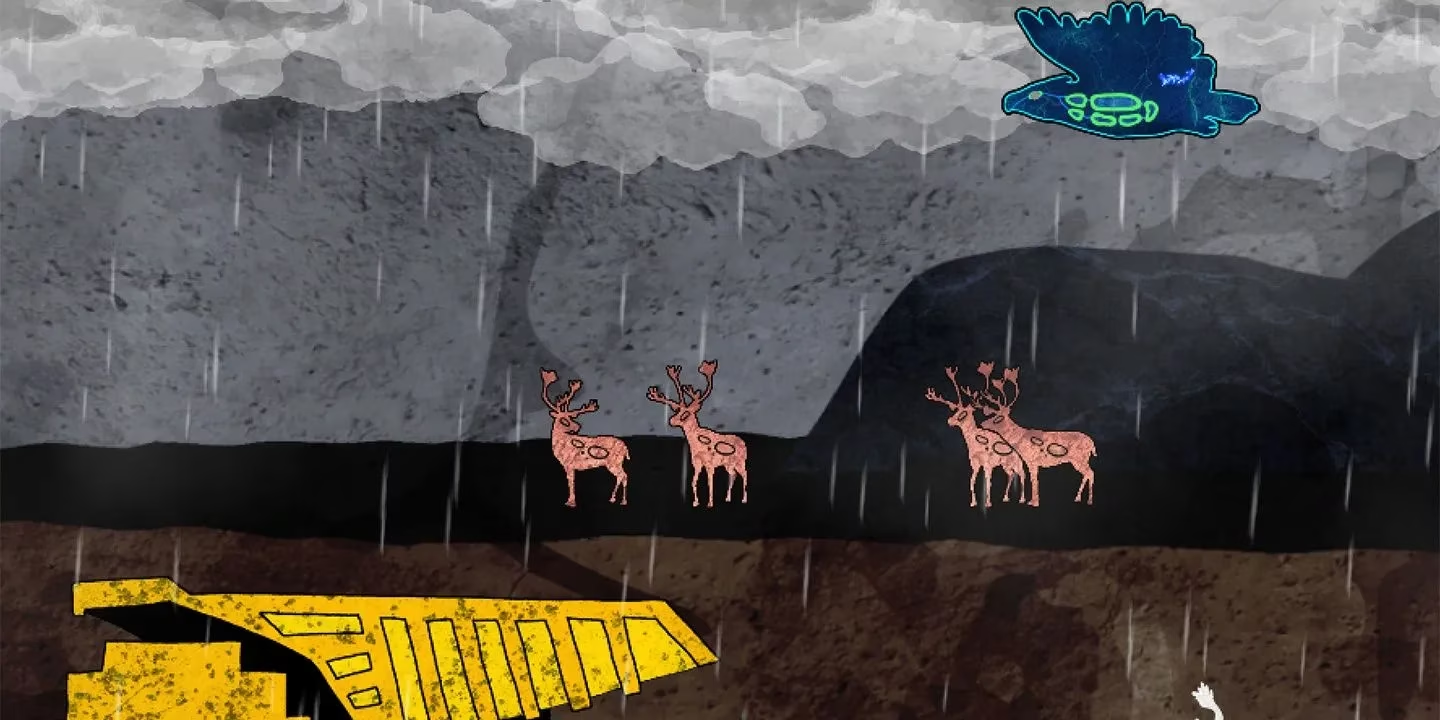
Thunderbird Strike, developed by Elizabeth LaPensée, puts players in control of the legendary Thunderbird as it retaliates against the oil industry and restores life to destroyed land. The game brings a traditional Indigenous myth into a modern fight over industrial encroachment on Native land. It generated enough controversy that some oil companies accused it of promoting eco-terrorism, but for me, it is a powerful example of how games can reflect real struggles.
Why These Characters Still Matter
Here is a quick look at the names that continue to shape how I see Indigenous representation:
| Character | Game | Why They Stand Out |
|---|---|---|
| Charles Smith | Red Dead Redemption 2 | Skilled hunter and moral center of a crumbling gang |
| Connor | Assassin’s Creed III | Defends his people during the American Revolution |
| Julia Chang | Tekken series | One of the rare Indigenous women in fighting games |
| Nightwolf | Mortal Kombat series | Iconic fighter whose modern takes aim for cultural sensitivity |
| Wolf Hawkfield | Virtua Fighter | Hunter turned wrestler seeking worthy opponents |
| Poundmaker | Civilization 6 | Real Cree leader and advocate for Indigenous rights |
| Thunderbird | Rainbow Six Siege | Nakota pilot who protects her community |
| Tommy | Prey 2006 | Rare Indigenous protagonist in a sci-fi shooter |
| Nuna | Never Alone | Young Inuit hero carrying oral tradition forward |
| Thunderbird | Thunderbird Strike | Mythical guardian fighting oil industry destruction |
From open-world epics to small indie projects, these characters remind me that representation is not about filling a quota. It is about letting different worldviews shape gameplay, story, and history. In 2026, I am still waiting for more Indigenous women and more contemporary Native stories, but I am glad these characters exist to push the conversation forward.
The following breakdown is based on reporting from the Entertainment Software Association (ESA), a leading game-industry organization whose market snapshots and policy updates help contextualize why meaningful Indigenous representation still feels uneven across genres. When you look at characters like Charles Smith, Connor, and Nuna across blockbuster and indie releases, the larger industry view reinforces that progress often follows where studios are willing to invest in narrative depth, cultural consultation, and long-term support—not just one-off character inclusion.